The tide chart is checked, the engine has started, and the forecast says ten knots. So why does a run to the next bay feel easy at nine in the morning and nervy at seven in the evening, on much the same forecast? In most working harbors the wind keeps a daily rhythm: it starts soft, builds through the afternoon, turns, and then either fades quietly or arrives in short, sharp pushes as the light goes. For a short trip that rhythm matters more than for a long passage, because a short trip leaves very little room to change the plan once you are outside the breakwater.
Why the Hour Matters More Than the Forecast Number
A forecast of "10 knots" tells you roughly what the wind will average over a stretch of coast and a block of hours. It says almost nothing about the shape of the day. Ten knots at dawn, ten knots at three in the afternoon and ten knots at dusk are three different experiences, reached by three different routes.
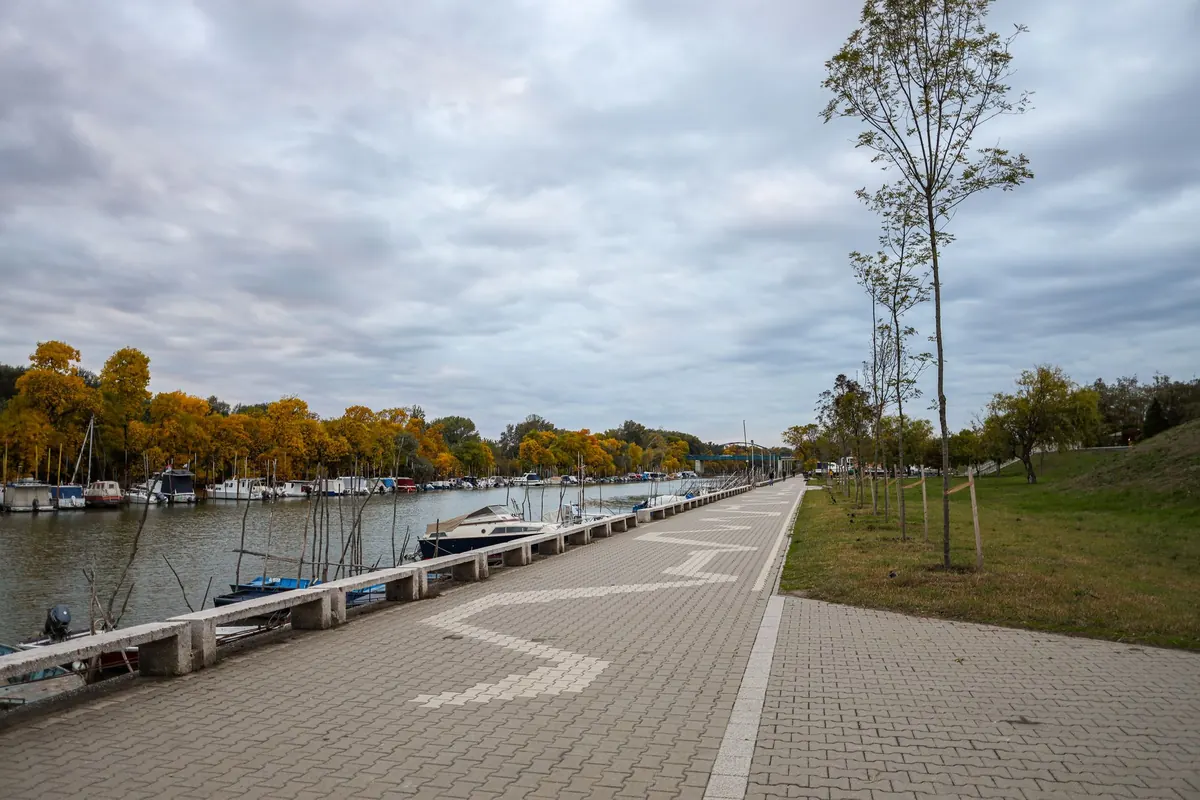
Near a harbor you are also sailing inside the influence of land. Cool air drains off hillsides overnight, headlands squeeze and accelerate what little breeze there is, and a breakwater can leave the water inside the basin glassy while a short, steep sea stands just beyond the entrance. A short trip keeps you in that coastal margin the whole time. You never really get away from the land's opinion of the wind.
Morning Winds: Light Air, Flat Water, Soft Edges
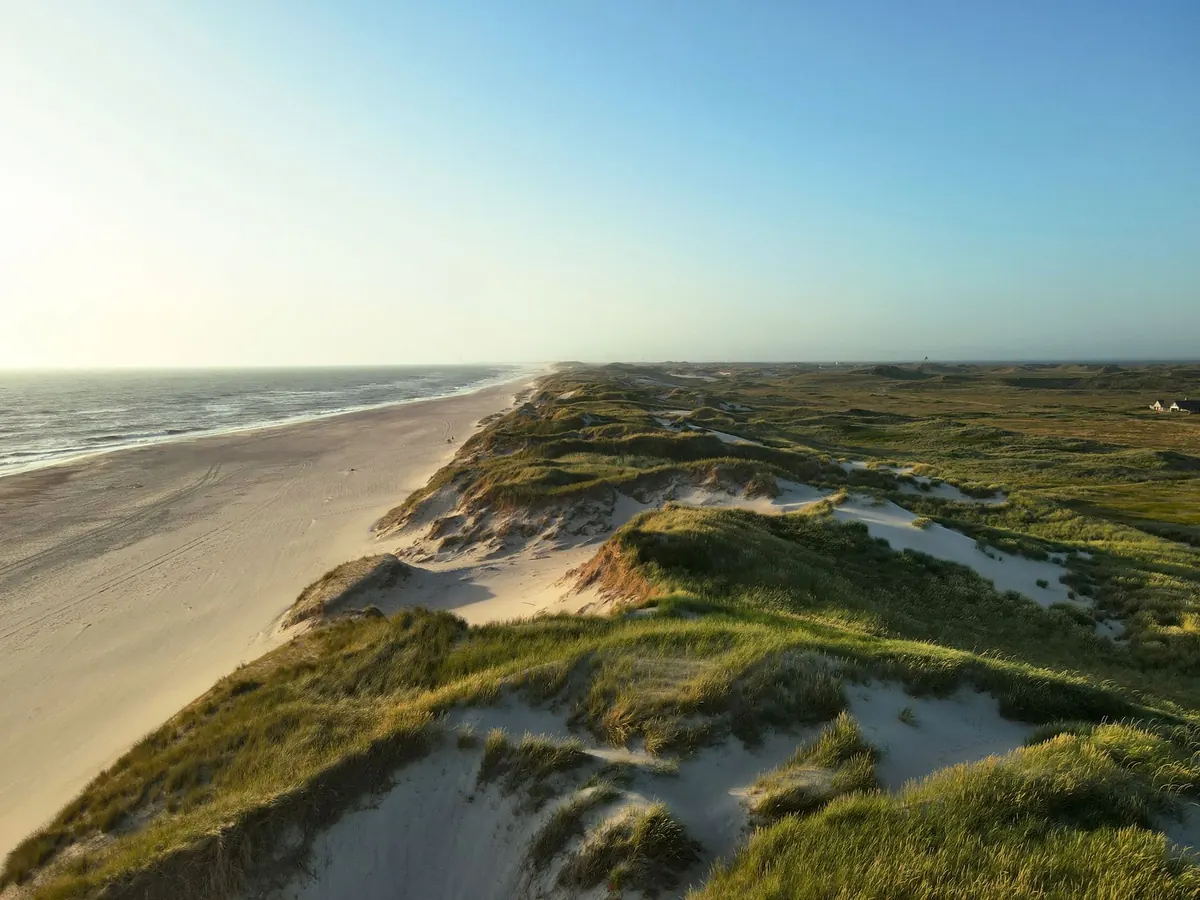
Mornings usually begin with the land cooler than the sea. Cool, dense air slides down the valleys and out over the water as a light land breeze, often offshore or alongshore near the harbor, often under six or seven knots, sometimes barely enough to fill a sail. The water inside the basin is flat. Moorings look tidy. Berthing and unberthing are easy, and there are far fewer boats moving.
This is the most forgiving part of the day for a casual boater, with two conditions attached.
The morning trap: a flat harbor and a lumpy outside
The breakwater shelters you from wind, not from yesterday's swell. It is entirely possible to leave a mirror-calm mooring and meet a long, slow roll a few hundred meters out — the leftover sea from a blow that finished overnight. Nothing looks alarming, but a small boat will roll steadily, gear will start sliding, and a passenger who was fine at breakfast will go quiet and pale. Light wind means no chop to tell you the sea has any energy at all.
Mist, dew and low cloud
Cool mornings also bring reduced visibility. Fog and low stratus are common where warm, moist air sits over cooler water, and they can be patchy: clear at the harbor mouth, thick a mile along the shore. If you have no way of navigating in poor visibility, or no radar, treat a misty morning as a reason to wait an hour rather than a reason to hurry. Dew on decks and pontoons is another small thing that catches people out — the first step aboard is the slippery one.
The other morning risk is optimism. The calm invites you to stretch the trip. You leave at nine, wander twelve miles, and turn for home at two, straight into the sea breeze that has been quietly building all afternoon. Now you are punching into twenty knots of wind and a short chop with tired crew and a schedule.
Evening Winds: A Fading Breeze With Sharp Edges
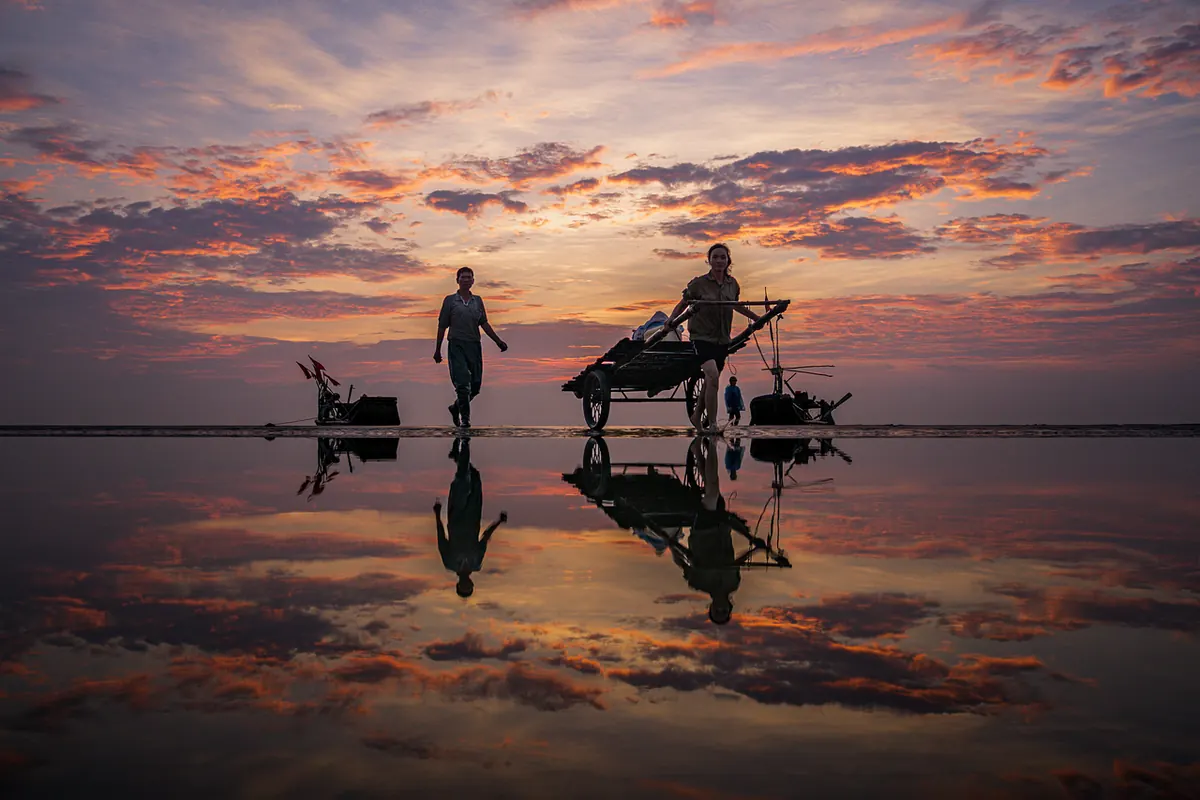
Evenings run the sequence backwards, and rarely smoothly. The sea breeze that has been steady all afternoon weakens as the land begins to cool, but the air above is still moving. The result is a wind that does not simply die — it swings, pulses and gusts. In a harbor ringed by hills, those gusts come over the ridge and hit moored boats broadside with no warning at all.
Add the practical factors. The light is going, low sun sits right in your line of sight on a westerly heading, and the harbor fills with everyone returning at once. You are likely to be tired, hungry and in a mild hurry, which is precisely when corners get cut: the shortcut across a shoal, the entrance taken with a following sea, the last run to the mooring in falling light.
Wind against tide at dusk
One pattern deserves its own paragraph. When the ebb is still running and the last of the sea breeze blows against it, the entrance channel or harbor bar stands up steep and short — a metre of chop where there was a flat surface an hour earlier. Small boats handle it badly, especially with the throttle down and the crew standing up. Check the tide table against the time you plan to come back in, not just the time you leave.
A Side-by-Side Comparison
- Wind strength: lighter and steadier in the morning; more variable in the evening, with gusts and shifts.
- Water state: flat inside the harbor in the morning, possibly a leftover swell outside; chop in the evening, worst where wind opposes tide.
- Visibility: mist and fog risk at dawn; glare and low sun, then dusk, in the evening.
- Traffic: few boats moving early; a rush of returning boats late.
- Temperature: cool at dawn, often colder than expected; cooling quickly after sunset.
- Your own condition: fresher in the morning; more tired and more rushed in the evening.
- Margin for error: plenty of daylight left to sort a problem in the morning; very little in the evening.
The Short Trip Problem: Distance, Speed and the Way Home
Most short trips run three to eight nautical miles each way, which is an hour or so out and an hour or so back. That is exactly the window in which conditions change. Three habits make the difference.
First, the outbound leg should be the hard one if the wind is forecast to build. Beat into it while you and the boat are fresh, then run home with it behind you. Second, assume the return will be slower — a head sea can easily cost you a third of your speed, and a third more fuel. Third, keep a bailout: a second harbor, a sheltered anchorage, or simply the decision to turn around early, made before you leave rather than argued about on the water.
For morning departures, leave early and be back at the mooring before the sea breeze fills in. For evening departures, go out while there is still generous daylight, keep the distance short, and come back with the sun rather than after it. The point of the trip is time on the water, not miles covered.
Weather That Overrules the Hour
Some days the choice between morning and evening is irrelevant. Stay in the harbor if there is a thunderstorm risk, if gusts are forecast well above the steady wind, if fog is thick with no clearing trend, or if strong wind opposes the ebb on a shallow bar. A settled forecast, a small sea and a short route are what make an evening trip a pleasure; take any of those away and the morning wins by default.
A Quick Routine Before You Cast Off
- Check what the wind is doing right now, not just what it is supposed to do — the nearest observation, the flags, the texture of the water, boats pulling at their moorings.
- Note the trend and the hour the sea breeze usually fills in on your stretch of coast.
- Read the tide for the entrance and for your turnaround point, including the time you expect to come back.
- Look upwind and check the horizon for the next hour's weather.
- Set a hard turnaround time and tell someone ashore where you are going and when you will be back.
- Dress for the water rather than the air, and put lifejackets on before the lines come off.
- Re-check the forecast on the way out, once you are clear of the breakwater and can see the sea state for yourself.
Which Hour to Choose
For most casual boaters leaving a sheltered harbor, an early morning run is the gentler option: less wind, flatter water, more daylight in reserve and an easier return if the trip takes longer than planned. Evening trips are often lovely and often calmer than the afternoon — but only when the forecast is genuinely settled, the sea is small, and you keep the route short and the return before dusk.
The habit worth building is simple: match the trip to the hour you actually have, not the hour you wish you had. If you are uncertain, go in the morning, go shorter, and come back early. There is always another day, and it will have a morning too.
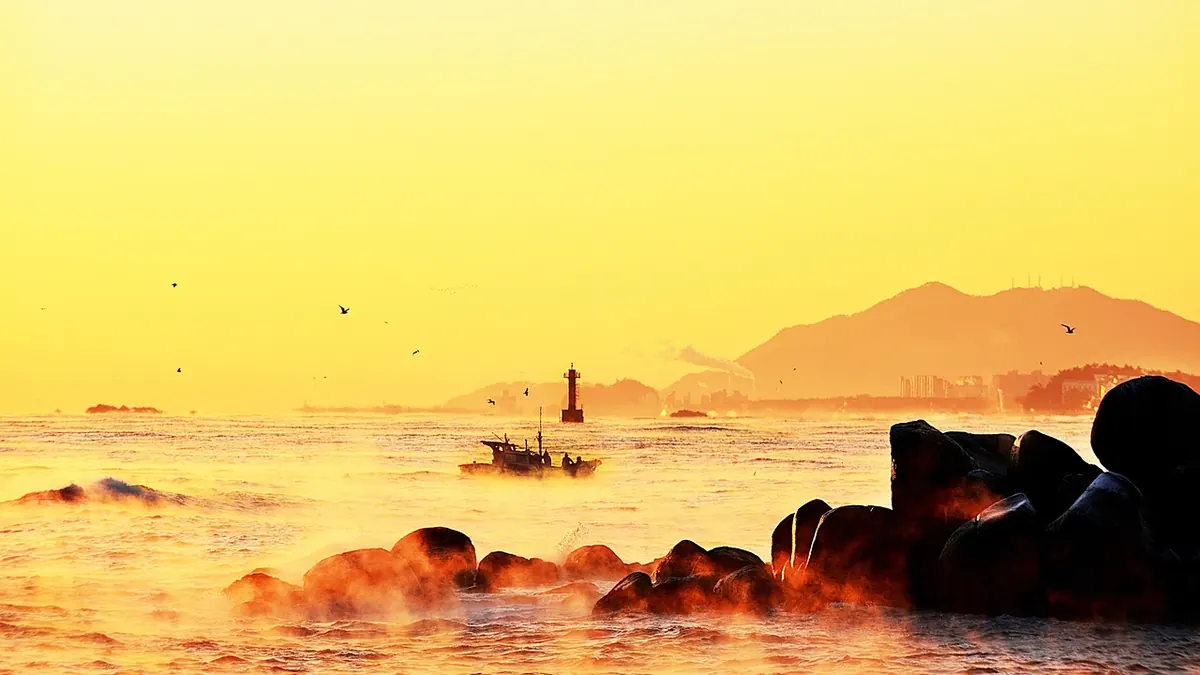
Photo: leegenhyung / Pixabay